
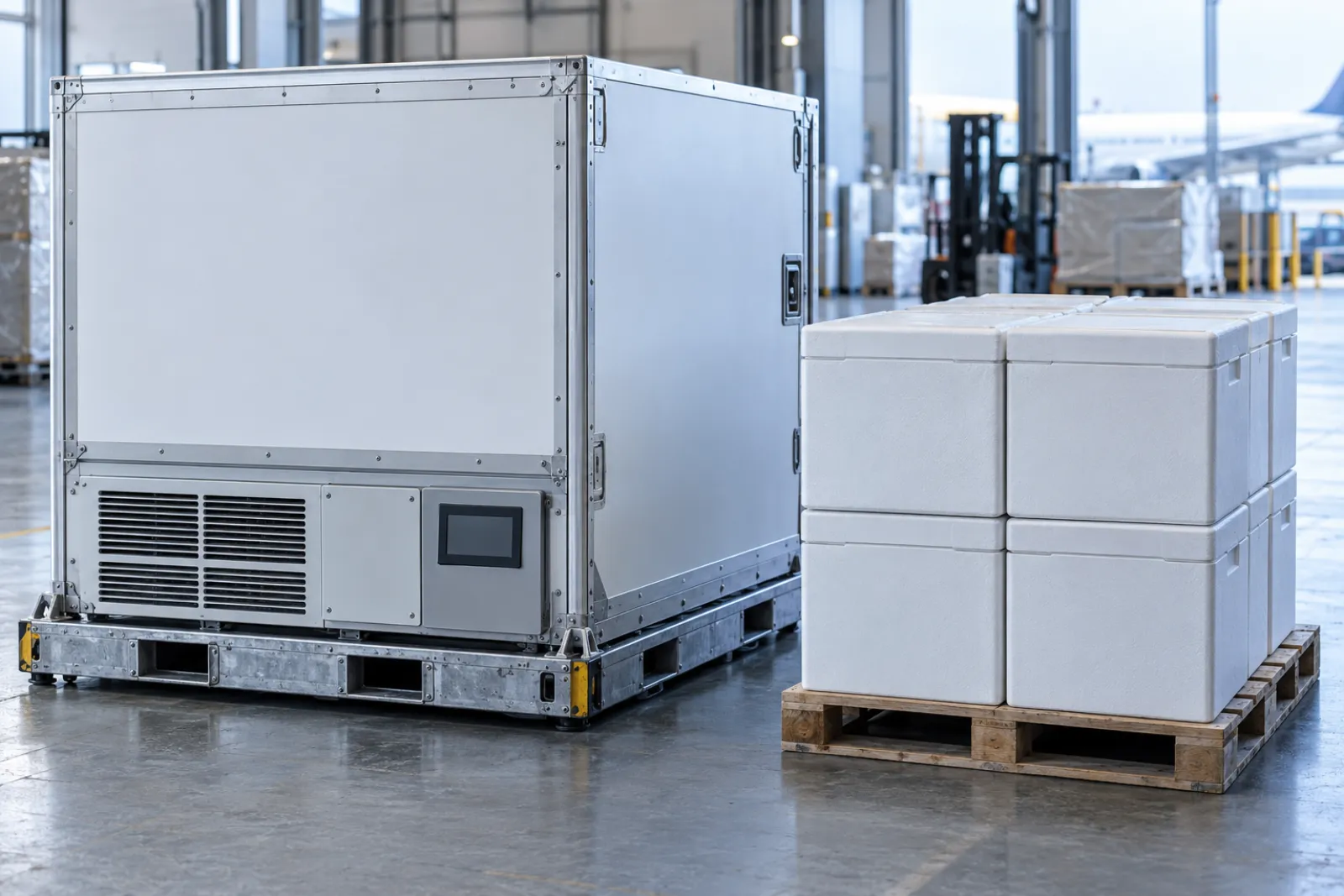
Active vs Passive Cold Chain Packaging: A Buyer's Comparison
Compare active and passive cold chain packaging by system boundary, route constraints and operating conditions, without a universal winner.
Read guideCold chain packaging covers the containers, insulation and refrigerants that hold a shipment inside its required temperature range. This section explains the main system formats, how they work, and where each one stops being a reasonable fit, so that a team can describe what it needs before it talks to suppliers.
The guides stay at the level of system types and selection criteria. They do not recommend brands or models, and they do not state that any configuration is suitable for a particular product. Product temperature requirements, lane conditions and qualification evidence always come from your own documents and your suppliers.
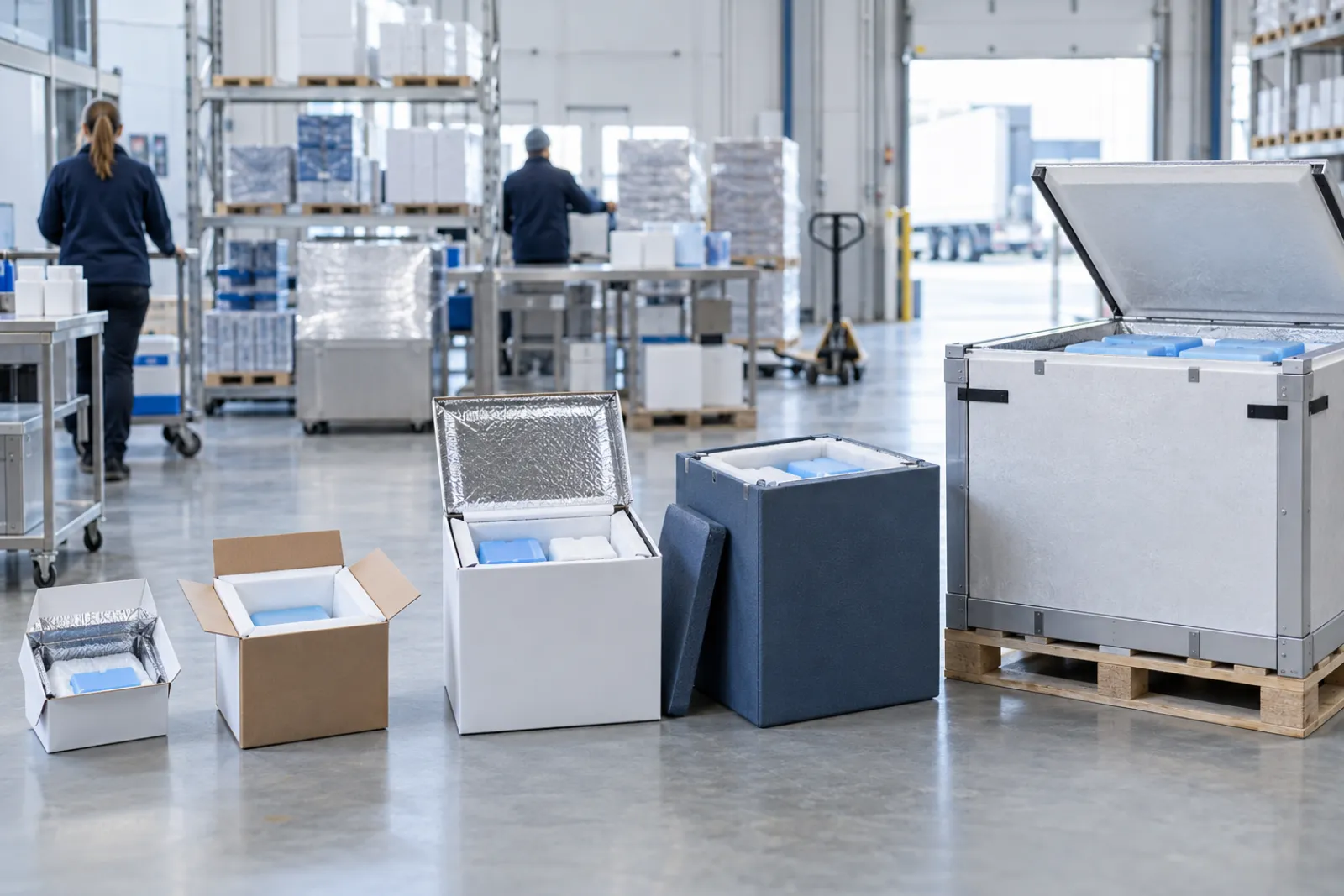
Compare active and passive cold chain packaging by system boundary, route constraints and operating conditions, without a universal winner.
Read guideThe four packaging guides follow the order in which a shipping decision usually narrows. Start with the active versus passive comparison, because it sets the system boundary: whether the shipment carries its own power or relies on insulation and refrigerant alone. Once that is settled, move to selecting an insulated shipper to turn payload, transit time and handling into purchasing inputs. Then read comparing gel packs and other PCM refrigerants, which depends on the shipper you are considering, since refrigerant and insulation are only meaningful as a pair. Finish with running reusable thermal shippers if you plan to get boxes back.
If you already own a shipper and only need to fix a conditioning problem, you can enter at the refrigerant guide. If you are inheriting a returnable fleet, begin with the operations guide and work backward.
Each guide supports one decision, and each goes faster if you have a few documents ready.
Product temperature limits come from the product documentation, and none of these articles says that a configuration suits a particular product.
Every packaging choice sets requirements for the steps after it. Once you know the shipper and refrigerant, the next question is how you will prove the shipment stayed in range. Read specifying a temperature data logger next, because logger size and placement depend on the box you chose. After that, the work moves to the plant floor. Refrigerant that must be filled and sealed on site leads into specifying a gel-pack filling and sealing process, and the assembly sequence is covered in designing a packout station. When you are ready to ask suppliers for quotes, the packout cost worksheet shows how shipper, refrigerant, return logistics and losses add up on stated assumptions.
The guides aim to expose those gaps before a purchase order exists. They list questions for suppliers, give checklists, and cover system types, with no brands or models. Use them to describe your own requirement in plain terms, then compare what suppliers offer against it.
Compare active and passive cold chain packaging by system boundary, route constraints and operating conditions, without a universal winner.
Read guide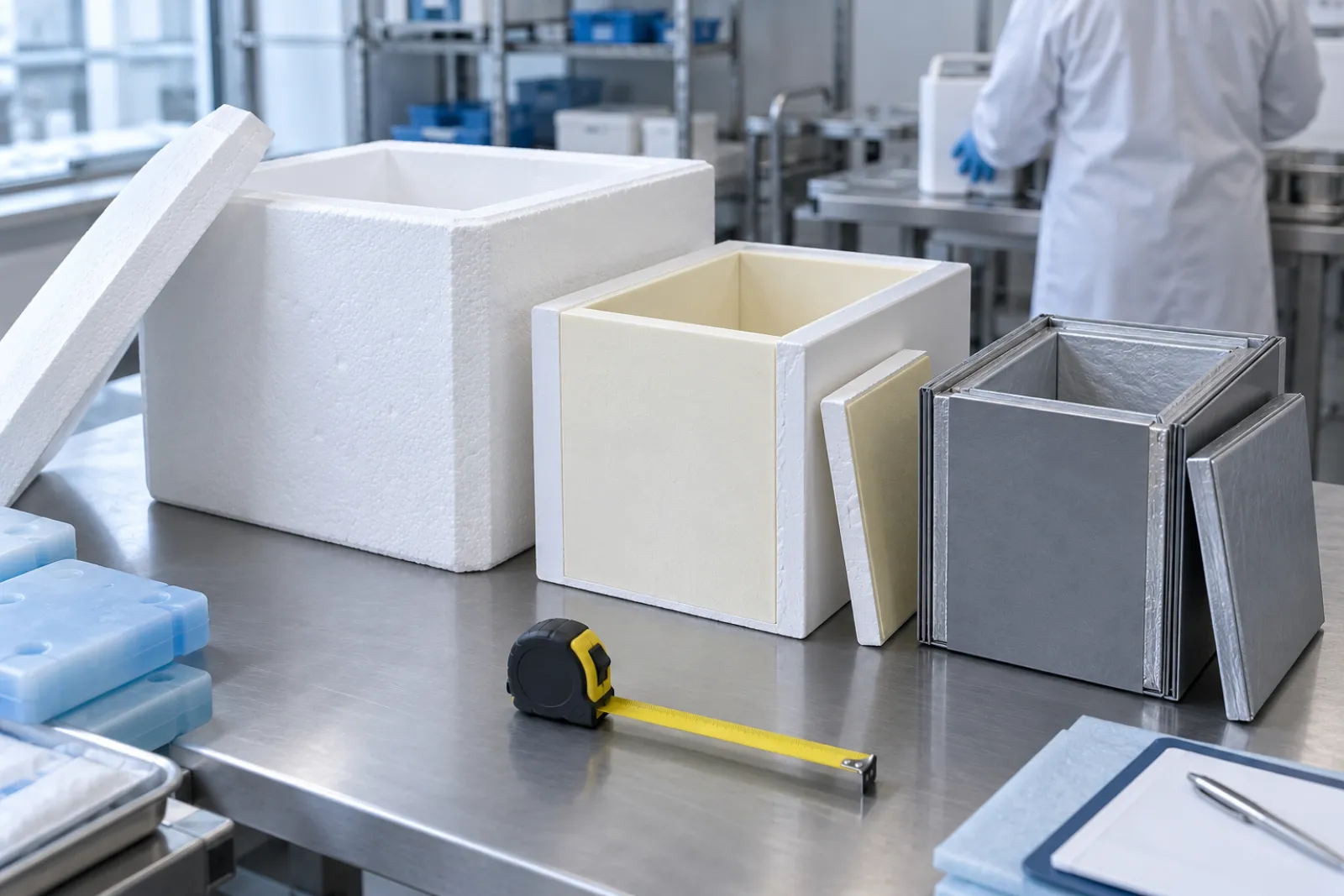
Turn payload, transit time, ambient conditions, dimensions and handling into clear purchasing inputs for insulated shipper selection and supplier quotes.
Read guide
Compare cold chain refrigerants by formulation, phase-change range, conditioning and encapsulation instead of relying on a simple gel versus PCM label.
Read guide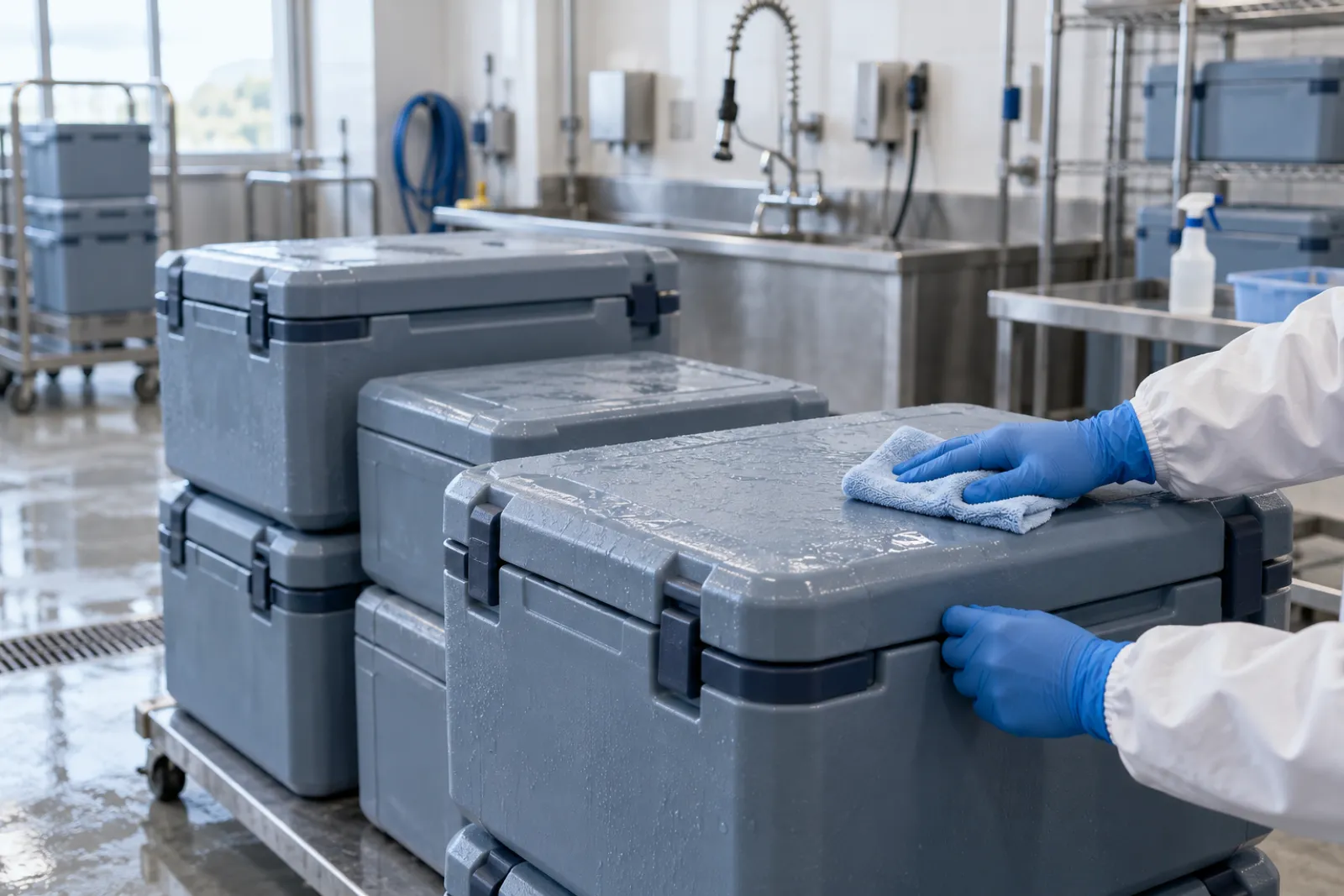
Compare return flows, cleaning responsibility, rotation, losses and total cost when you run reusable thermal shippers, with a checklist for operations teams.
Read guide