
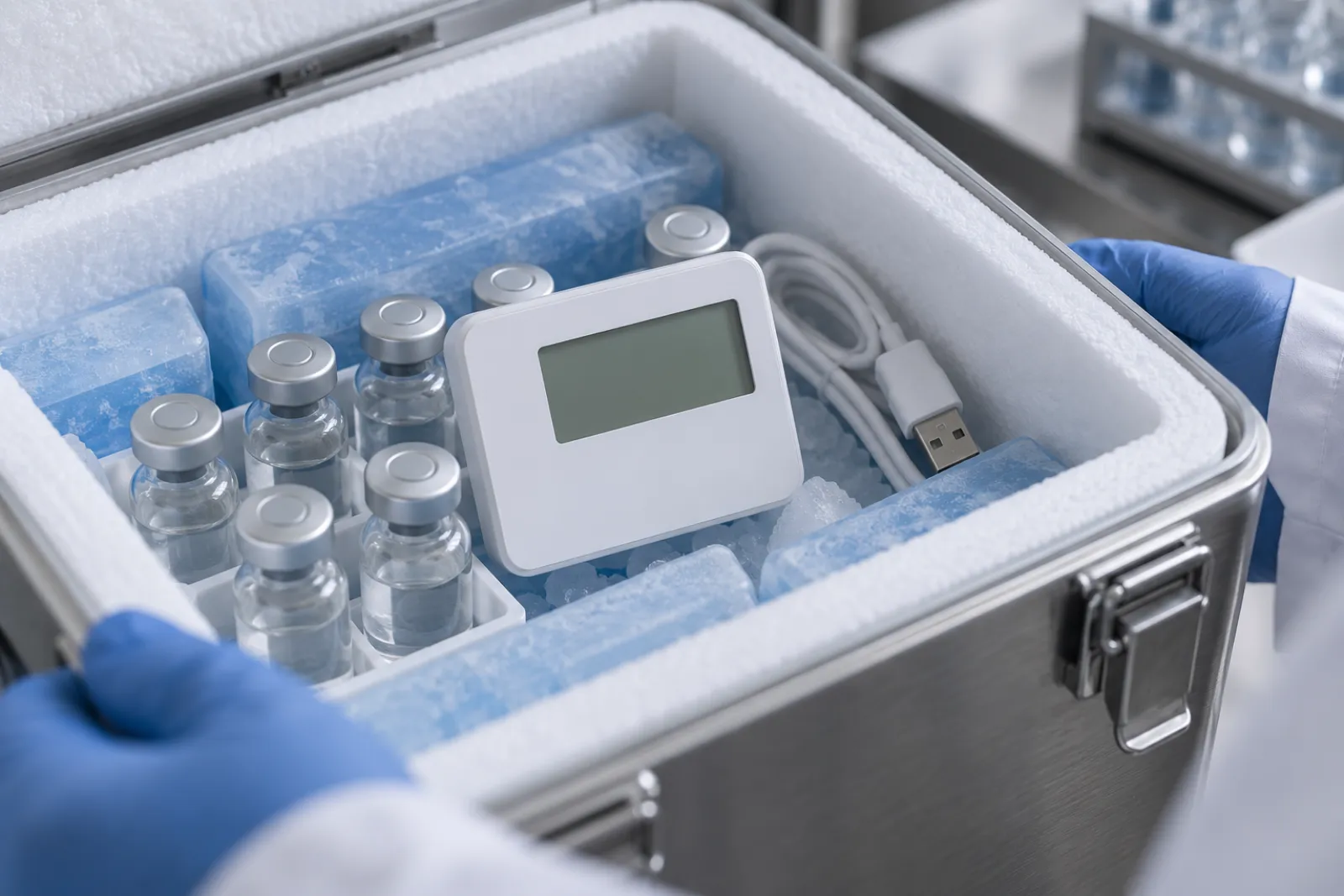
How to Specify a Cold Chain Temperature Data Logger
A specification checklist for a cold chain temperature data logger: range, accuracy, logging interval, export method and calibration documents to request.
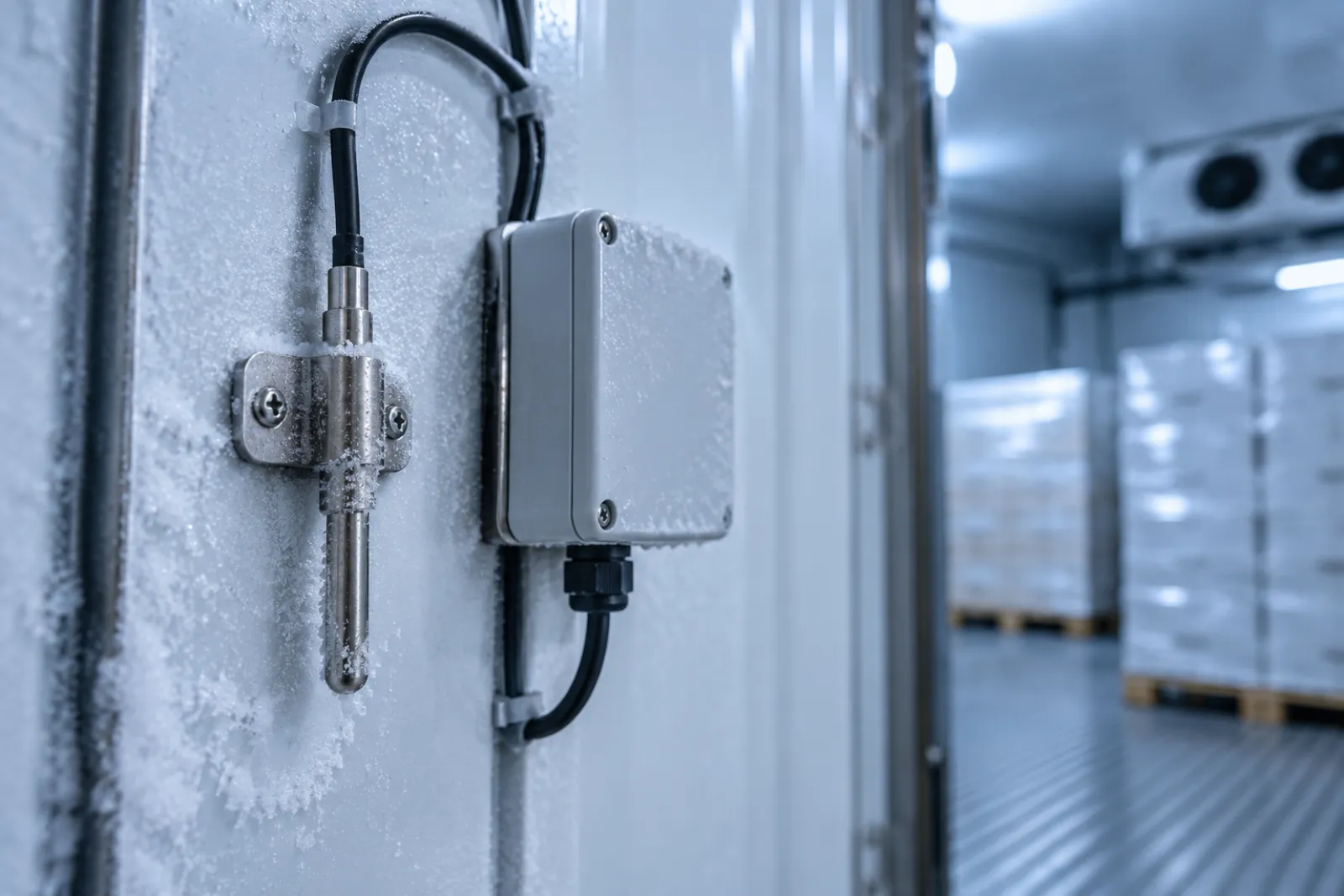
Read guideTemperature monitoring turns a shipment into a record. This section looks at how data loggers and monitoring workflows are specified, what the resulting data can and cannot show, and which documents belong with the data, such as calibration certificates and configuration records.
Monitoring is one part of an evidence chain, not a product category. The guides separate the decisions that belong to the equipment (sensor, interval, memory, interface) from those that belong to the process (placement, download, review, retention), and they point back to the source documents a team should read for its own product and market.
A specification checklist for a cold chain temperature data logger: range, accuracy, logging interval, export method and calibration documents to request.
Read guideThe monitoring guides split into two pairs. The first covers the device and the workflow, the second the evidence around them. Begin with how to specify a cold chain temperature data logger, which defines the attributes you will need to state for any purchase: range, accuracy, logging interval, export method and the documents to request. Next, read real-time tracking versus downloadable loggers to decide how quickly data must reach you and what you can do when it arrives. Then turn to the paperwork. Reading a sensor calibration certificate shows what a certificate should tell you before you accept a logger. Finally, temperature mapping versus shipment monitoring keeps two different questions from being answered with the wrong evidence.
Teams that already own loggers can start with the certificate guide and the mapping comparison, then return to the specification guide when it is time to replace equipment.
Each decision is easier with a short written starting point, listed here.
None of the guides states a safe range for any product. That comes from your product documentation and quality team.
Monitoring depends on the packaging decisions that come before it. Logger size, probe placement and interval all follow from the box and refrigerant you picked, so if those are open, read selecting insulated shippers first. Going the other way, the logger has to be started, placed and recorded during assembly, which is where the packout station guide picks up. Later, when you write requirements for a purchase, the equipment RFQ checklist is the place to carry the logger and data requirements into a request for quotation.
Together the guides treat monitoring as an evidence chain. A logger produces a record, a certificate supports trust in the sensor, and mapping describes the environment. Each answers a different question. The guides do not rank devices or vendors, and they report no test performed by this publication.
A specification checklist for a cold chain temperature data logger: range, accuracy, logging interval, export method and calibration documents to request.
Read guide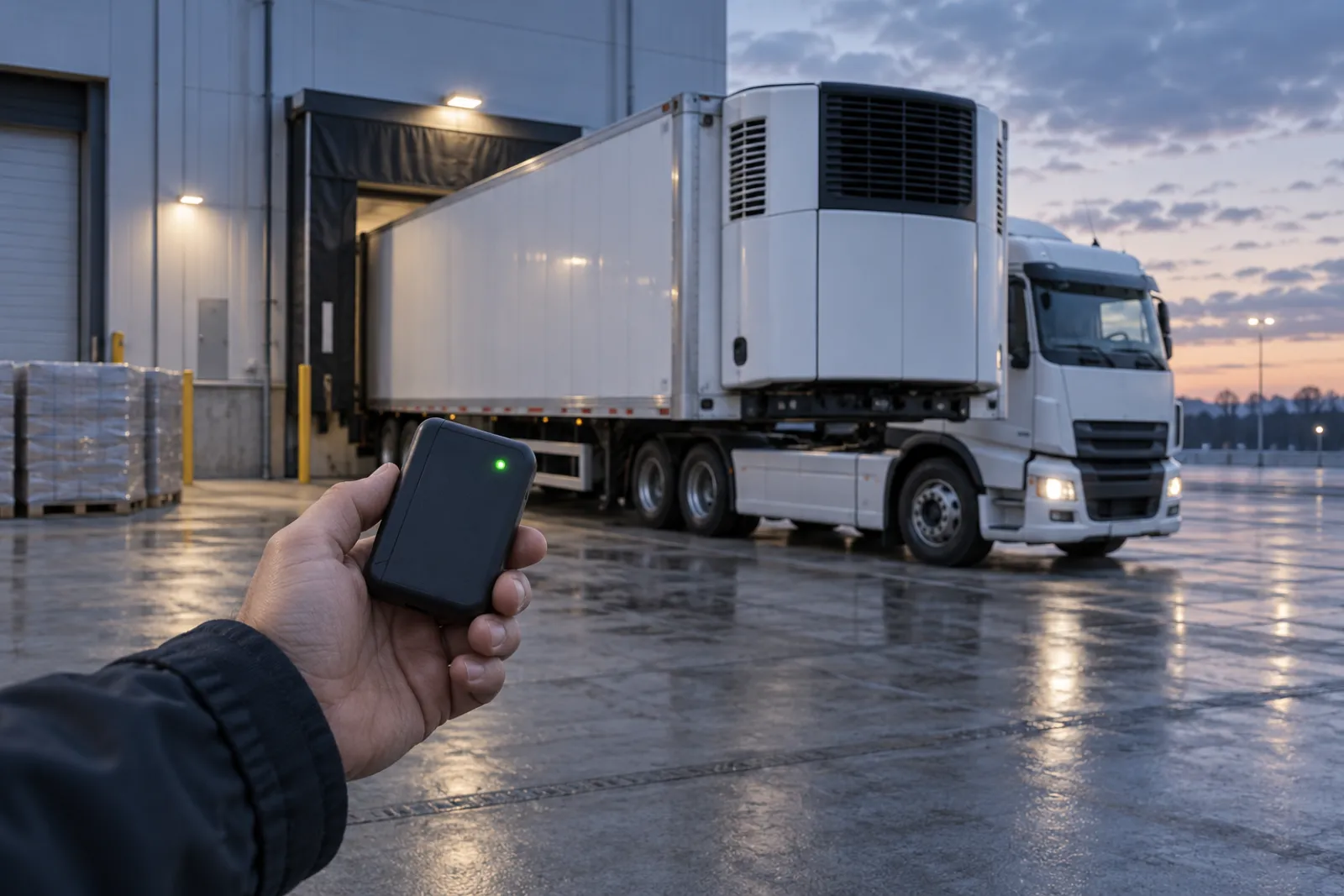
Compare real-time and downloadable temperature monitoring by when data arrives, alarm response, network dependence and cost structure, lane by lane.
Read guide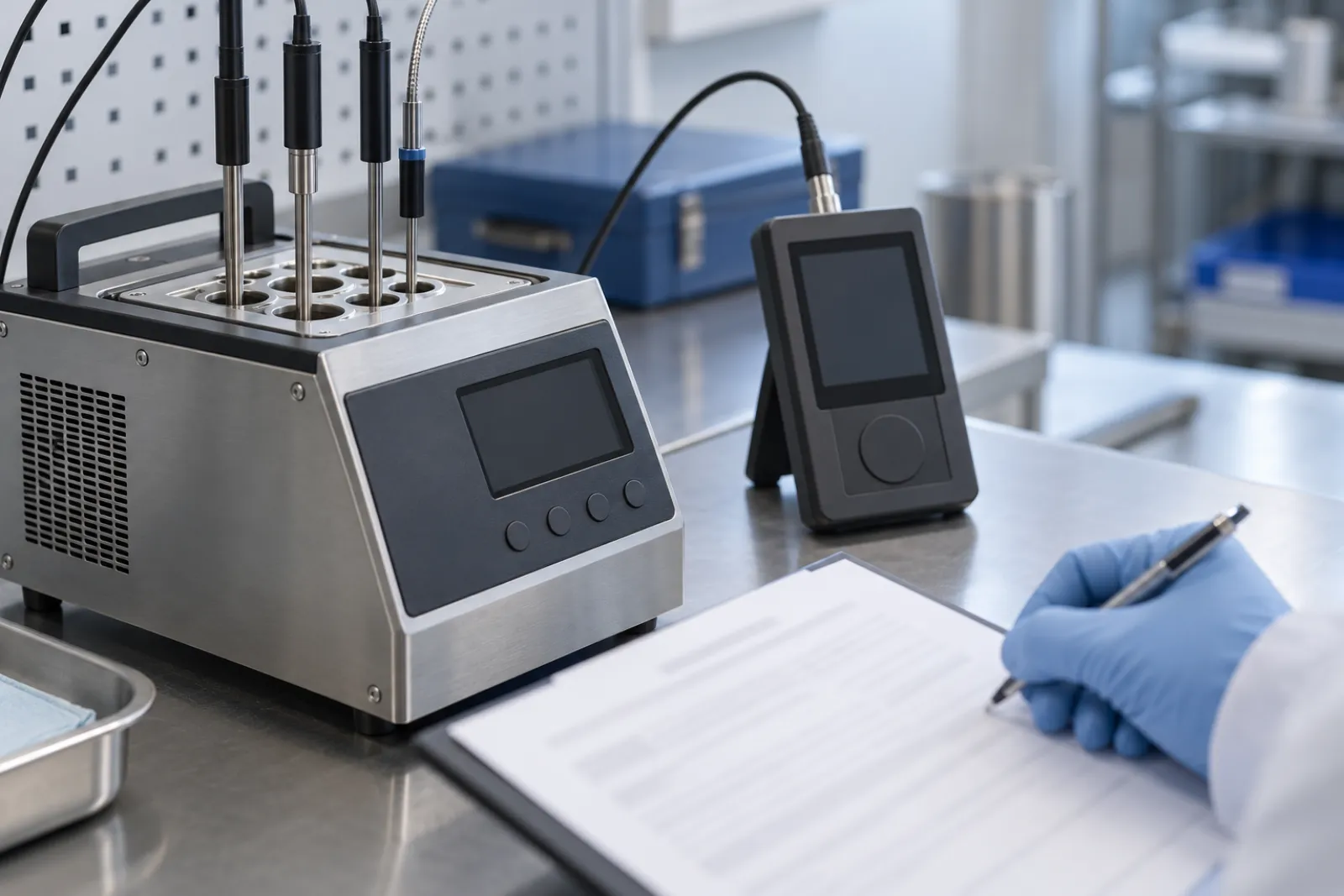
Check a temperature sensor calibration certificate for device identity, range, dates, reference traceability and results before you accept a logger.
Read guide
Separate facility temperature mapping from shipment monitoring: the questions each answers, the evidence each produces and where buyers mix them up.
Read guide