
Temperature Data Logger Selection: USB PDF vs Real-Time Cellular
Choose a USB PDF logger or cellular real-time probe by record recovery, coverage and review labor; understand MKT calculations and DO-160 test scope.
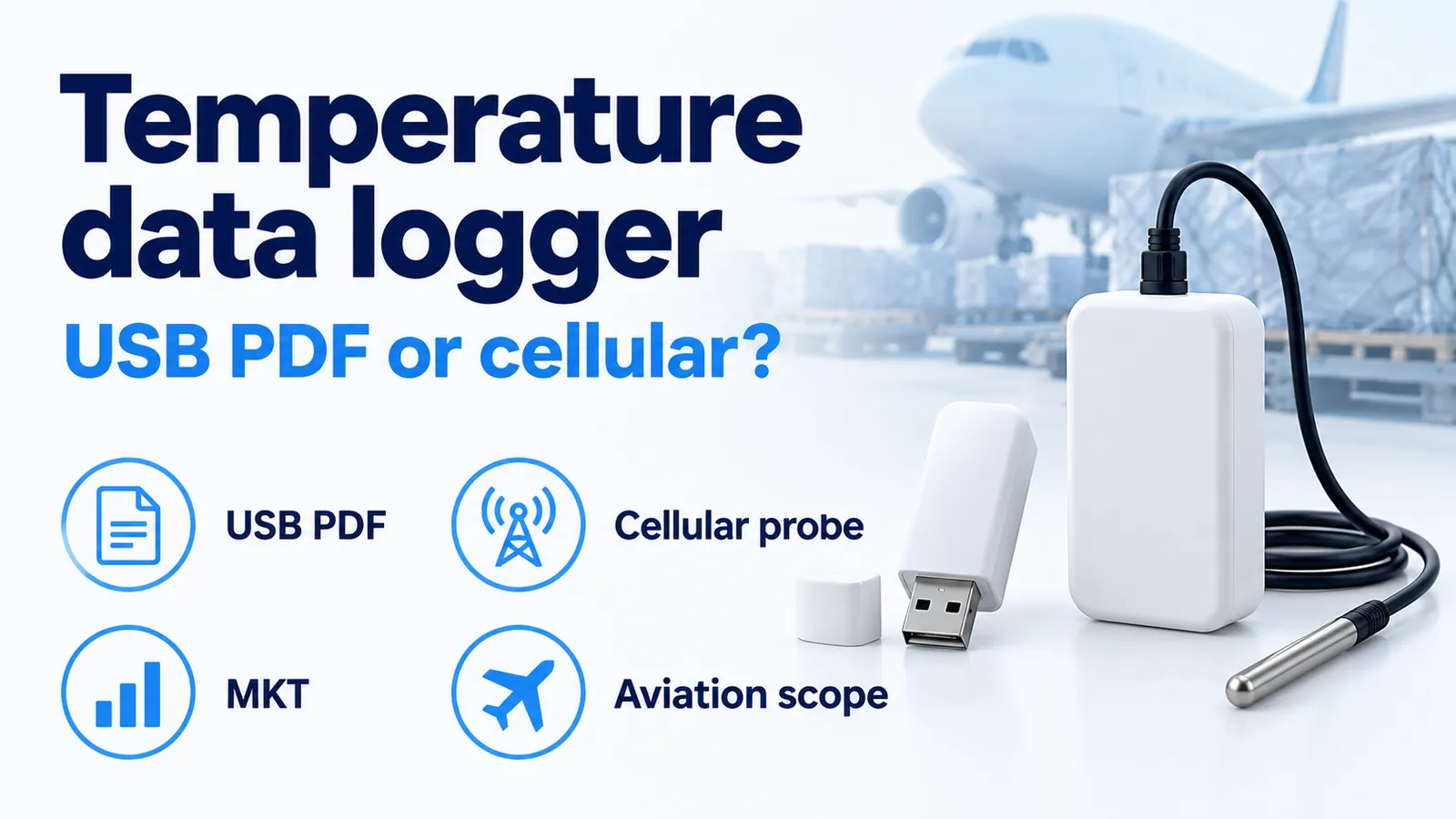
A shipment record that nobody can retrieve can delay a quality decision after the goods arrive. Choose a single-use USB PDF temperature data logger when the receiver can recover and review its original file; choose a real-time cellular logger with a probe when remote information supports a defined action and the packed device can communicate.
For USB-versus-cellular selection, first decide which evidence must reach the reviewer: a recoverable shipment file, remotely available readings, or both. A single-use USB PDF logger depends on physical recovery and an accepted readout endpoint. A cellular probe system adds a radio, network service and platform, with separate requirements for the probe and logger body. An indicator-only device can support a defined status check, but cannot replace a required chronological temperature record. MKT is a calculation on that record; an aviation environmental test addresses equipment behavior under specified test conditions. Neither feature alone makes a device suitable for the shipment.
Compare the evidence each device can lose
Choose the device whose evidence can survive your actual packing and receiving process. This comparison belongs to the temperature monitoring section; prevention measures below are practical selection recommendations, rather than universal manufacturer requirements.
Table: scroll horizontally if needed to see every column.
| Device choice | Evidence available for the decision | Dependency to resolve before purchase | Dominant Failure Mode & Prevention |
|---|---|---|---|
| Single-use USB PDF logger | A shipment temperature report; confirm that the original includes an accessible time series | Receiver recovers the unit and can read and retain its original output | Recorded journey remains unread or loses its embedded data during report editing → trial the receiving computer and preserve the original file against the shipment ID |
| Cellular real-time logger with external probe | Remote readings and alerts, plus whatever local record and export the documented system supports | Probe measures the intended location; body, cellular service and platform function in the packed configuration | Remote view goes stale while the probe continues measuring, or an unprotected cable moves the sensor → confirm local buffering and recovery, flag stale data, secure the probe and protect its cable |
| Indicator-only device | A threshold or exposure status, according to its documented response | The decision procedure accepts that specific output | A status result is mistaken for an investigable time history → retain the specified indicator result and use a logger wherever chronological evidence is required |
WHO Supplement 15, glossary and Table 1, distinguishes indicator outputs from electronic logging records. A USB connector or PDF output does not settle that distinction: ELPRO’s single-use range includes both graph-reporting loggers and an indicator whose report has alarm statistics without a graph.
Rule of thumb: If your quality decision requires the temperature sequence, exclude indicator-only output; then choose USB only if the original-file handoff works, and cellular when the connection and response process add useful information before that handoff.
Accept the USB file and the cellular probe as different physical systems
Test the USB file on the receiving endpoint, and assess a cellular probe together with its logger body. Communication method does not determine probe geometry: a USB device can also have an external probe, and a cellular device can have an internal sensor.
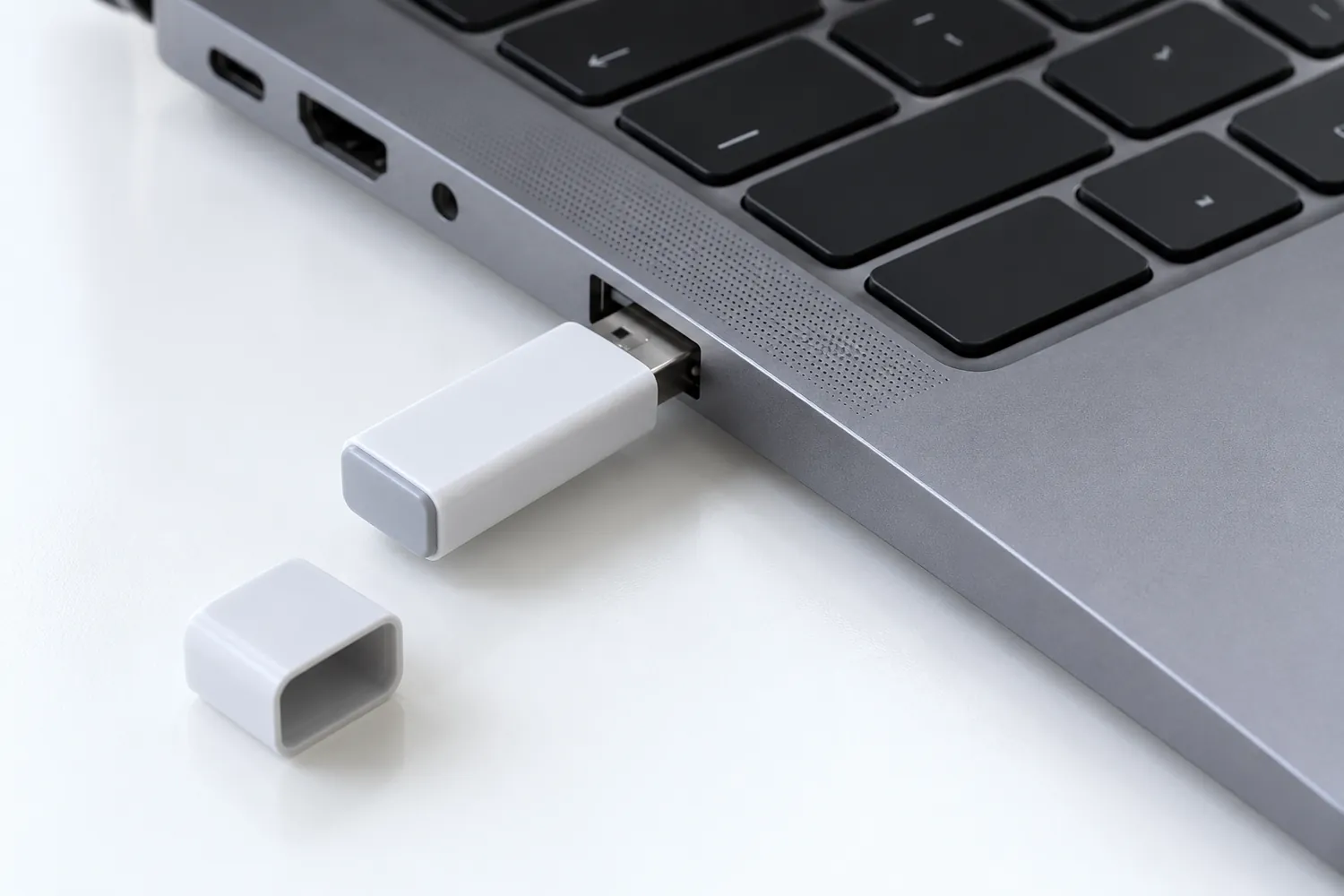
For a single-use USB PDF unit, request a representative original report and try the intended readout process before ordering. Check that receiving staff can associate it with the consignment and that the reviewer can access the underlying readings needed for an investigation or MKT calculation. A printable graph alone may not provide the usable numerical record.
The ELPRO USB FAQ identifies two concrete limits: security software can block USB or PDF access, and re-saving its original report in a PDF editing tool removes embedded data. It also states that its single-use devices cannot be reconfigured after starting. These are family-specific behaviors to test against your procedure: settle settings before activation, resolve readout access with IT, and copy the original report rather than editing it.
For a cellular system with an external probe, distinguish the temperature at the probe from conditions at the electronics and battery. The ELPRO external-probe specification, page 2, lists separate probe and body application conditions. A probe suitable for a cold measurement does not establish that the radio body can operate beside it at the same temperature. Secure the measurement point and cable without compromising the pack closure; verify reception with the body in its intended shipping position.
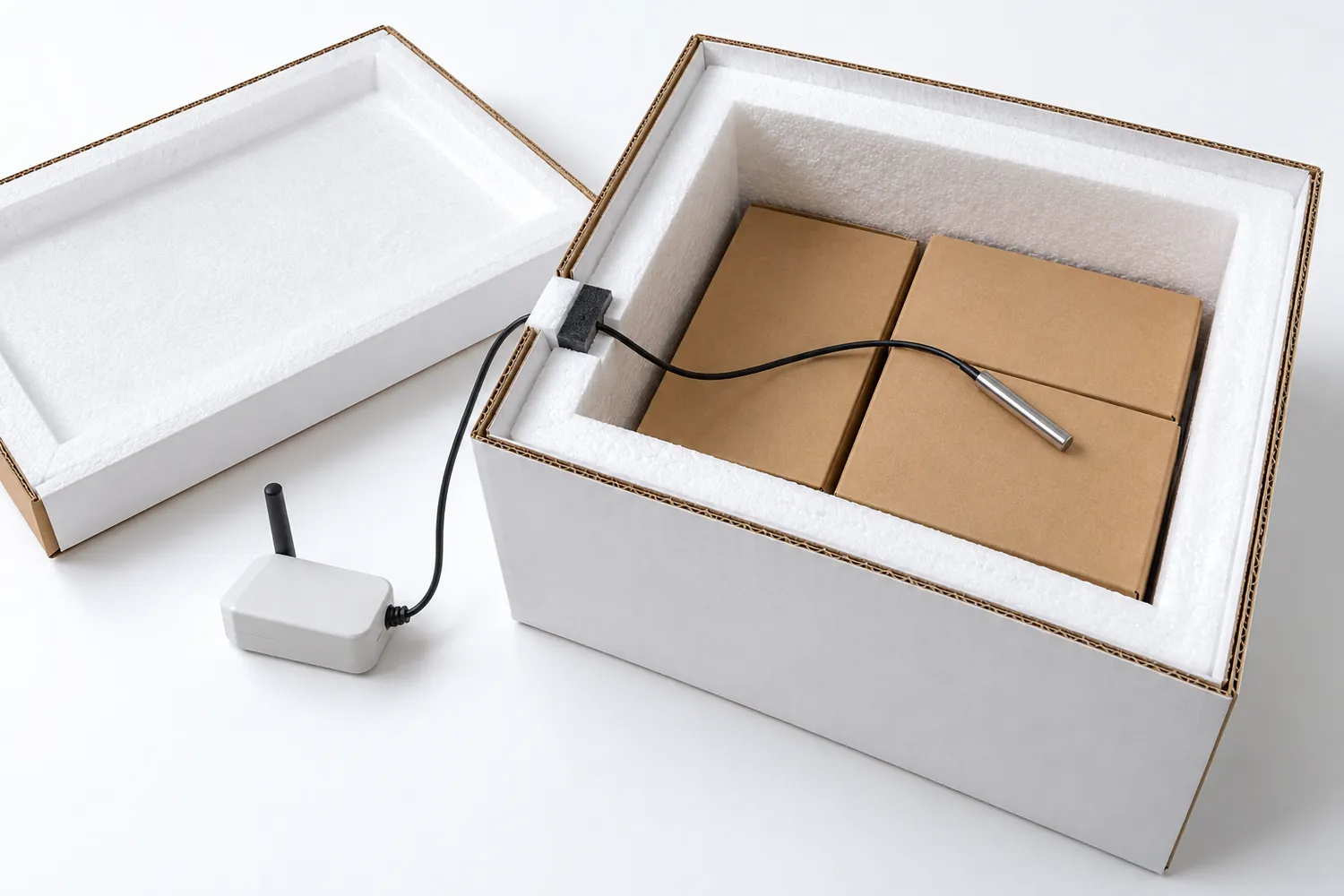
The ELPRO cellular FAQ recommends a test shipment on the planned route and documents a finite buffer that overwrites its oldest value when full. For a candidate device, establish how delayed readings are retrieved and reconciled with the final export. A blank live view can mean delayed transmission; it must not silently become a complete-record claim.
Use the general data logger specification guide for range, accuracy, interval and calibration-document requirements once this device architecture is settled.
Calculate MKT from the record, not the communication method
Either architecture can supply temperatures for mean kinetic temperature if its retained record is suitable for the calculation. ICH Q1A(R2), glossary, describes MKT as an equivalent thermal challenge and refers to the Haynes formula; USB and cellular describe how readings leave the instrument.
For equally spaced readings representing equal-duration periods, the explicit equation in the USP 1079.2 courtesy copy, section 3, is:
TMKT = (ΔH/R) / {−ln[(1/n) × Σi=1…n exp(−ΔH/(R × Ti))]}
Here Ti and TMKT are in kelvin, n is the number of equal-duration observations, and ln is the natural logarithm. The source gives ΔH = 83.144 kJ/mol, unless more accurate experimental information is available, and R = 0.0083144 kJ/(mol·K). Convert Celsius inputs by adding 273.15; subtract 273.15 from the kelvin result to report Celsius.
Assumed arithmetic example: two equal one-hour temperature blocks at 5 °C and 25 °C, or 278.15 K and 298.15 K, using the source-copied ΔH and R above:
TMKT (°C) = 10,000 / {−ln[(exp(−10,000/278.15) + exp(−10,000/298.15))/2]} − 273.15 = 19.70 °C.
The Celsius arithmetic mean is 15 °C; the higher MKT illustrates nonlinear weighting of the warmer block. These temperatures are assumed teaching inputs, not a measured shipment or plant result, and the result is not a product acceptance limit.
Preserve the original timestamps and temperature sequence. If intervals vary or data are missing, do not apply the equal-duration expression blindly or fill gaps with convenient values; document the gap and establish the calculation method with the reviewer. Keep peaks, cold events and excursion durations available alongside the summary.
USP sections 3–5 require kinetic justification for distribution use and warn against diluting an excursion with an unrelated long history or treating later cooling as reversal of degradation. An acceptable-looking MKT alone therefore cannot clear a freezing event or another stability concern outside the model. The public PDF is an informational courtesy reprint authorized in October 2024; confirm current official text and product stability evidence for a disposition decision.
Read DO-160 as a bounded equipment test claim
A DO-160 statement identifies an environmental qualification question; it does not establish temperature accuracy, shipment stability or permission to transmit on a flight. FAA AC 21-16G, section 4, describes laboratory environmental conditions and test procedures for airborne equipment, and explicitly separates these tests from service-life prediction.
The advisory’s Appendix 1 covers subjects including temperature/altitude, vibration and radio-frequency tests. The relevant evidence is which version, sections, categories and equipment configuration were assessed. Section 7(b) explains that the Environmental Qualification Form identifies the version, tests conducted and category; a bare “DO-160” line cannot supply those details.
When a logger supplier cites DO-160, request that scope and the supporting report reference for the proposed hardware. Check calibration evidence separately, and confirm the carrier’s current carriage and radio-use conditions for the exact device and battery configuration. Those are additional decisions, not consequences of the environmental-test name. RTCA’s certification FAQ also states that RTCA does not certify products.
Compare ownership work before comparing device quotes
Total cost depends on recovering usable evidence and resolving exceptions, as well as buying and operating the hardware. Track the following factors with your own shipment counts and staff time; no price assumptions are needed.
- Unread USB files: count shipments missing an original report, time spent chasing receivers, IT readout problems and holds while evidence is recovered. Assign the original-file handoff before dispatch.
- Cellular coverage gaps: record time spent checking a stale view, retrieving delayed readings and reconciling the final export. Include service/platform terms and any return handling for reusable units. The external-probe OEM specification also warns that intensified communication behavior can shorten battery life; use the proposed operating conditions when assessing replacement work.
- Excursion-review labor: count time spent linking a device to a consignment, checking gaps and probe location, examining excursions and documenting disposition. A dashboard or automatic MKT value can organize evidence, but still needs a reviewer and product-specific decision basis.
- Probe and single-use handling: account for cable inspection and securing, device recovery, and retirement of single-use units. Compare those tasks with the actual packout sequence rather than assuming every format has the same handling burden.
Use real-time versus downloadable monitoring workflows to assign response ownership, and the pharmaceutical packout guide to connect the chosen device to packing and receipt. The selection is defensible when a representative file can be reviewed, the intended probe/body arrangement is documented, and evidence recovery has an owner under both connected and disconnected conditions.
Method and sources
This comparison uses saved public OEM documents, the USP courtesy reprint, ICH guidance, WHO transport guidance and FAA/RTCA public material retrieved on 19 October 2026. Failure-prevention and ownership-work recommendations are editorial synthesis of those documented dependencies; they are not reported device trials. The MKT example uses explicitly assumed temperatures and equal durations, with constants copied from USP section 3.
The source links beside each claim identify the supporting scope. WHO concerns pharmaceutical transport; the USP courtesy copy directs readers to current official USP-NF text; the FAA advisory explains environmental qualification without reproducing the full DO-160 standard. Manufacturer examples establish specific limitations, rather than a vendor ranking or a performance promise for other devices.
Last updated: October 2026.
Related guides
How to Specify a Cold Chain Temperature Data Logger
A specification checklist for a cold chain temperature data logger: range, accuracy, logging interval, export method and calibration documents to request.
Read guide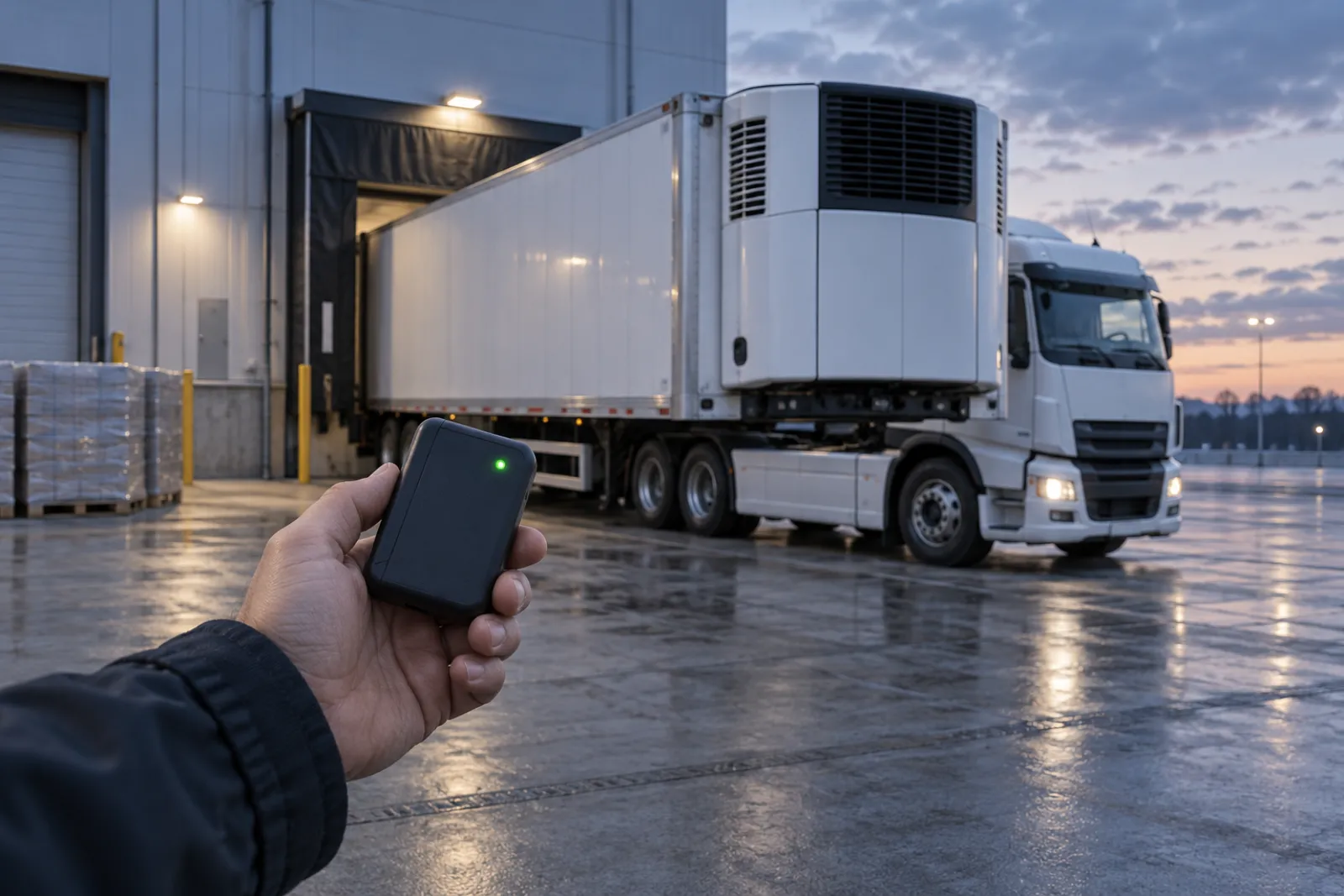
Real-Time Tracking or Downloadable Loggers: Which Workflow Fits?
Compare real-time and downloadable temperature monitoring by when data arrives, alarm response, network dependence and cost structure, lane by lane.
Read guide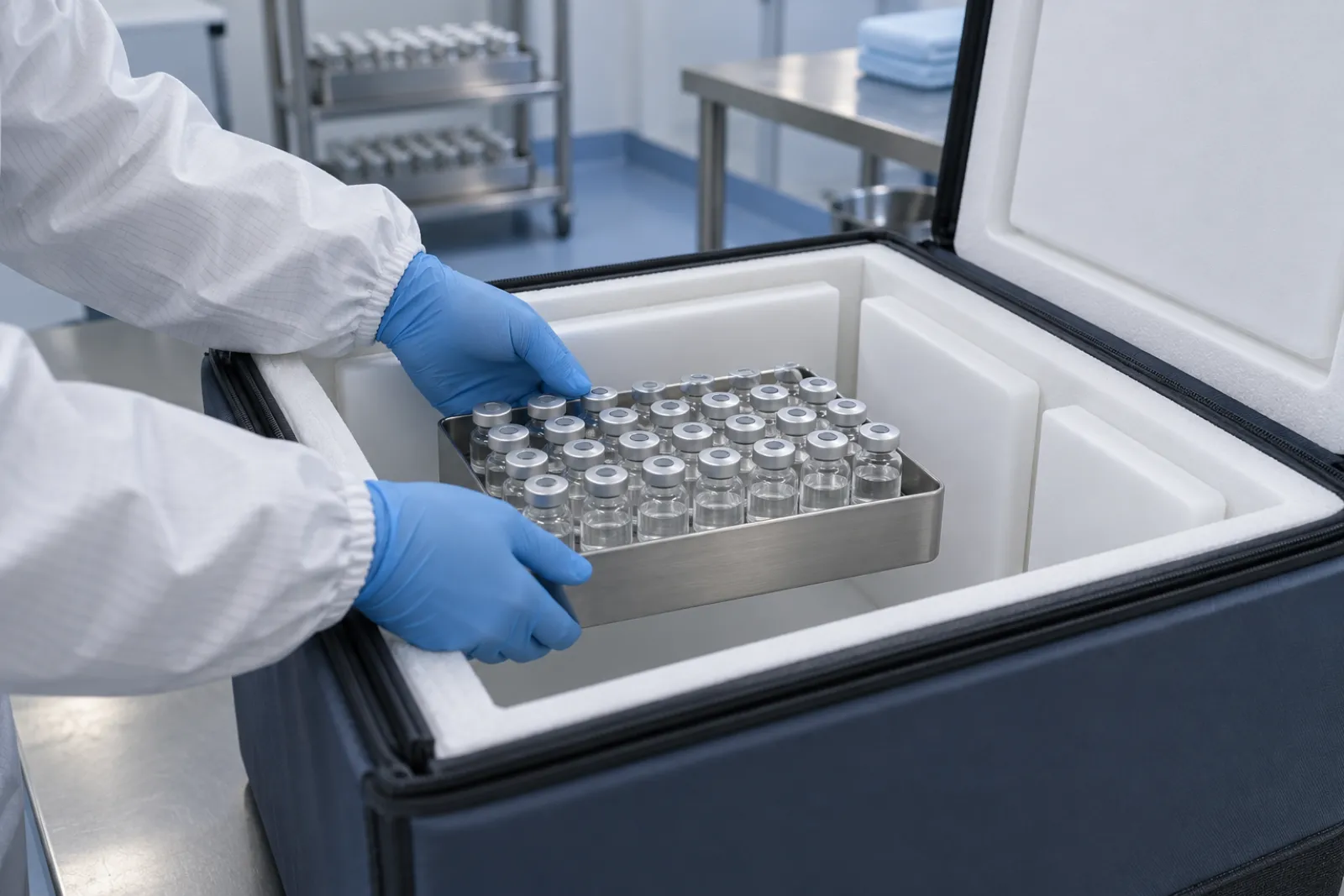
Pharmaceutical Shipping Packout: What Buyers Must Define Before Equipment Selection
Build packout requirements from product documentation, lane assessment and quality input before you shortlist equipment. Owners, interfaces and records.
Read guide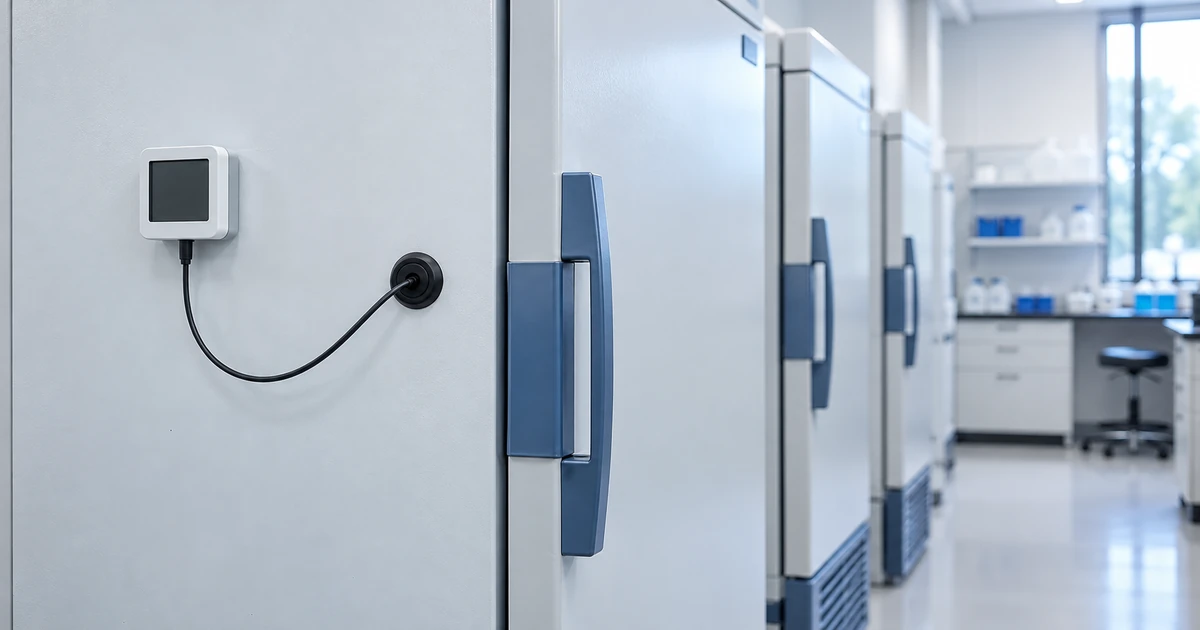
Remote Freezer Monitoring Systems: Architecture, Probes, and Compliance
How to select remote freezer monitoring for ULT freezers and cold rooms: probe types and rated ranges, wireless options, power-loss buffering, alarm escalation and where 21 CFR Part 11 applies.
Read guide